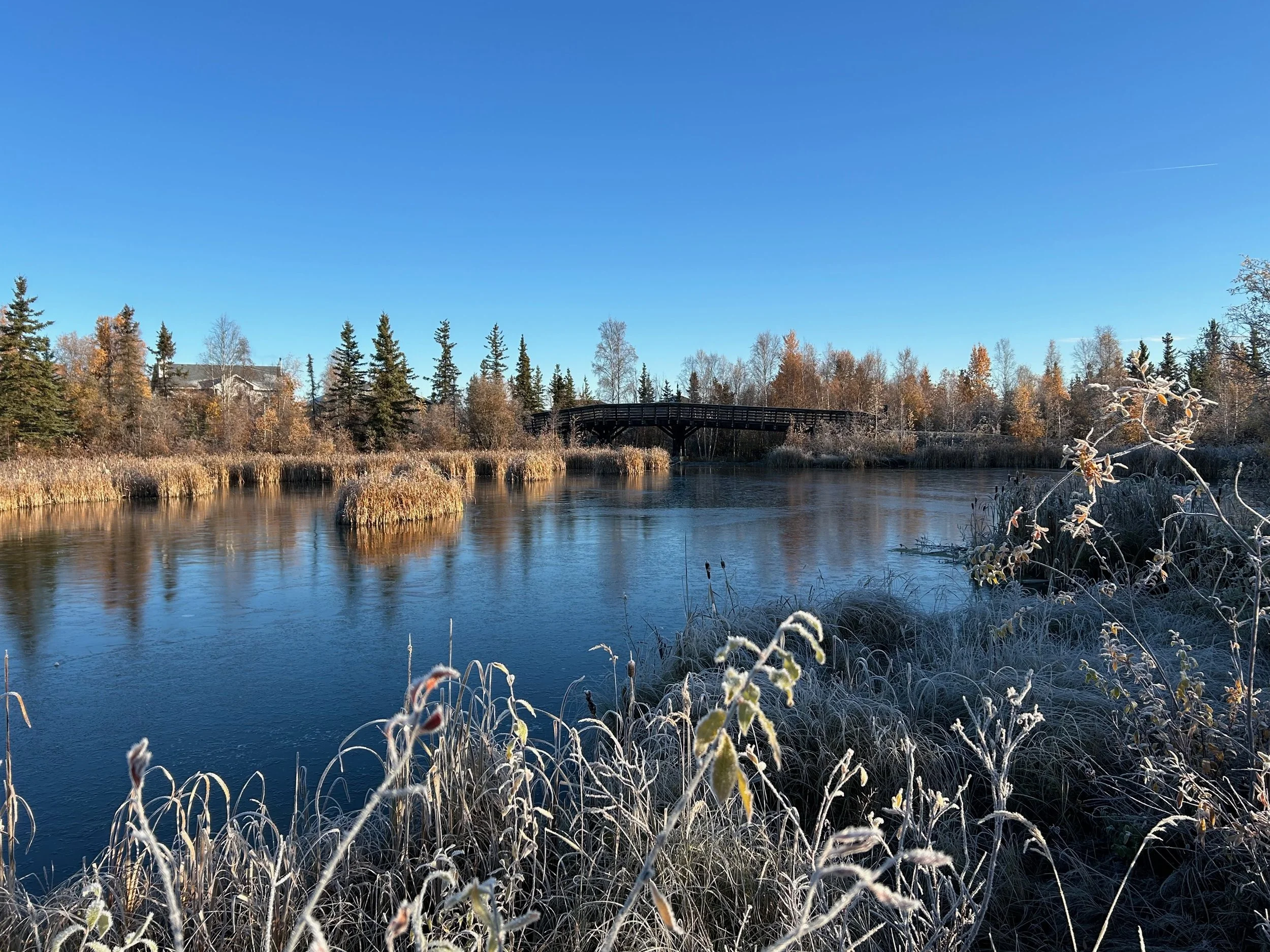
Yellowknife has incredible opportunities coming its way. Let’s be ready to meet the moment.
I’m a longtime small business owner, former two-term Yellowknife City Councillor, and proud Yellowknifer who cares deeply about our city.
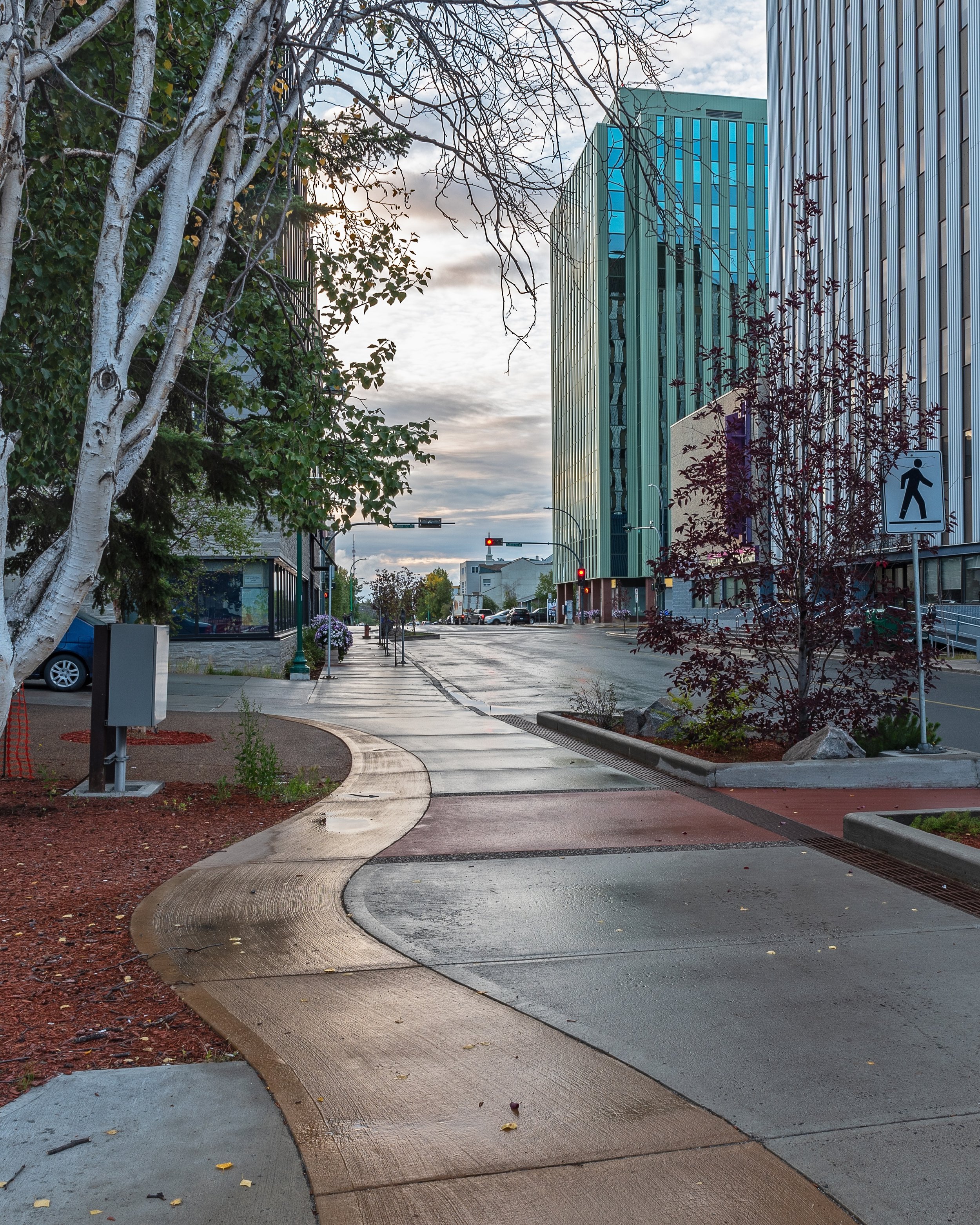
About Me
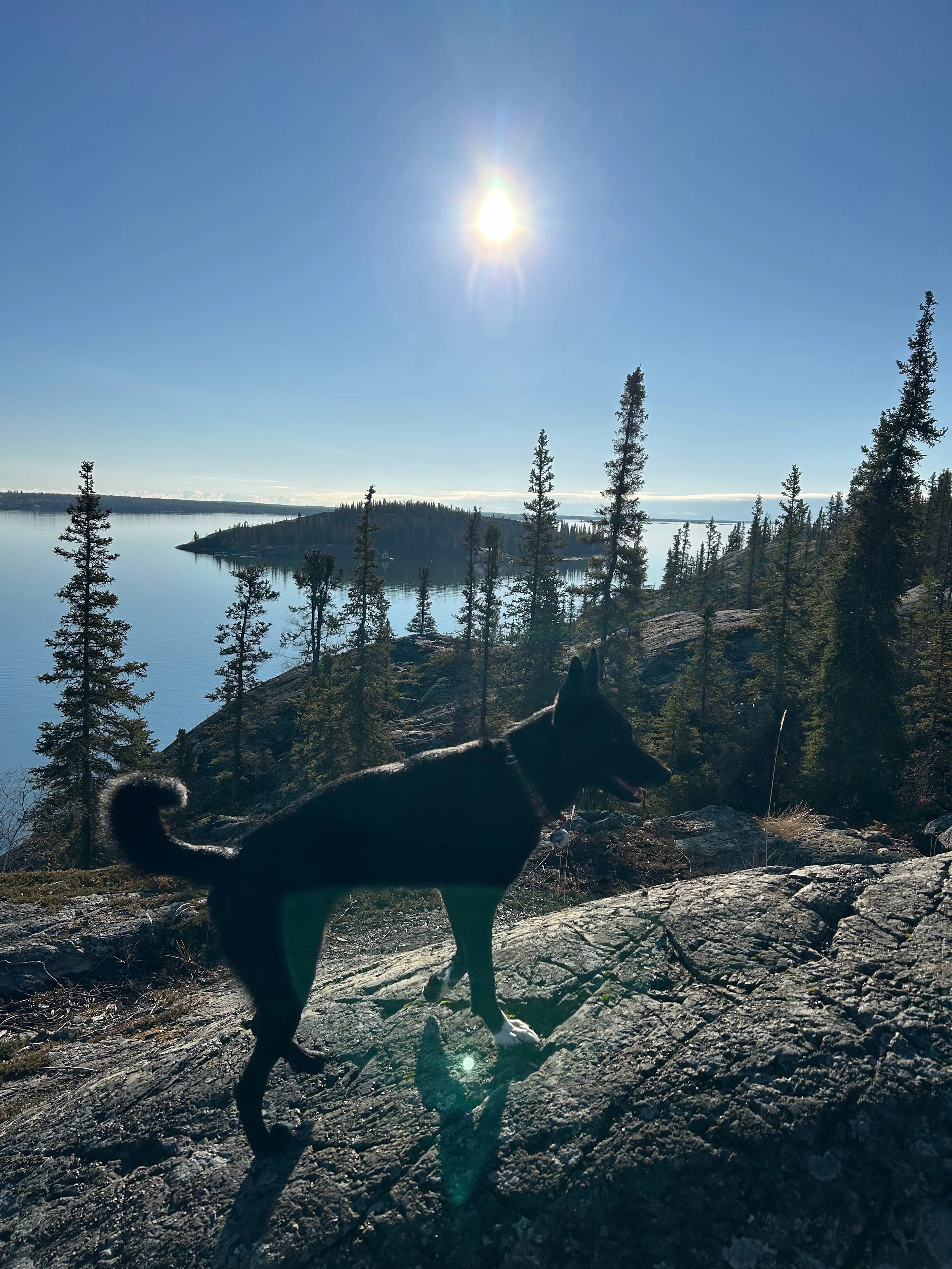
I’ve been a resident of Yellowknife since my parents moved here from Iqaluit in 1983. I’ve been a downtown small business owner since 1996 and it was during those early years in business that I first became involved with municipal initiatives, starting with the Downtown Enhancement Committee in 2005. I married my partner, Allison, in 2014. Together we enjoy hiking in the woods around Yellowknife with our two “northern specials,” Clieo and Jack.
Professionally, I split my time between serving my commercial real estate clients, managing a team of Realtors as the owner of Century 21 Prospect Realty, and acting as Executive Director for the NWT Art Centre Initiative, a group dedicated to building a non-commercial art gallery and visual-art focussed community centre in Yellowknife.
My Past Experience
Founding President of the NWT Art Centre Initiative in 2022
Yellowknife Chamber of Commerce Board member from 2020–2026 and President from 2024-2025
Broker of Record and Owner of Century 21 Prospect Realty Ltd. since 2012
Owner of Javaroma Gourmet Coffee & Tea and Main Street Pizza from 1997-2009
Yellowknife City Councillor from 2012-2018
Deputy Mayor from 2016-2018
Founding President of the Long John Jamboree in 2011
Director of the NWT Association of Realtors from 2013-present
Member of the YZF Business Advisory Committee from 2017-2020
Graduated from Sir John Franklin Territorial High School
Graduated from the University of British Columbia with a Bachelor of Arts in History
A Return to Smart Growth
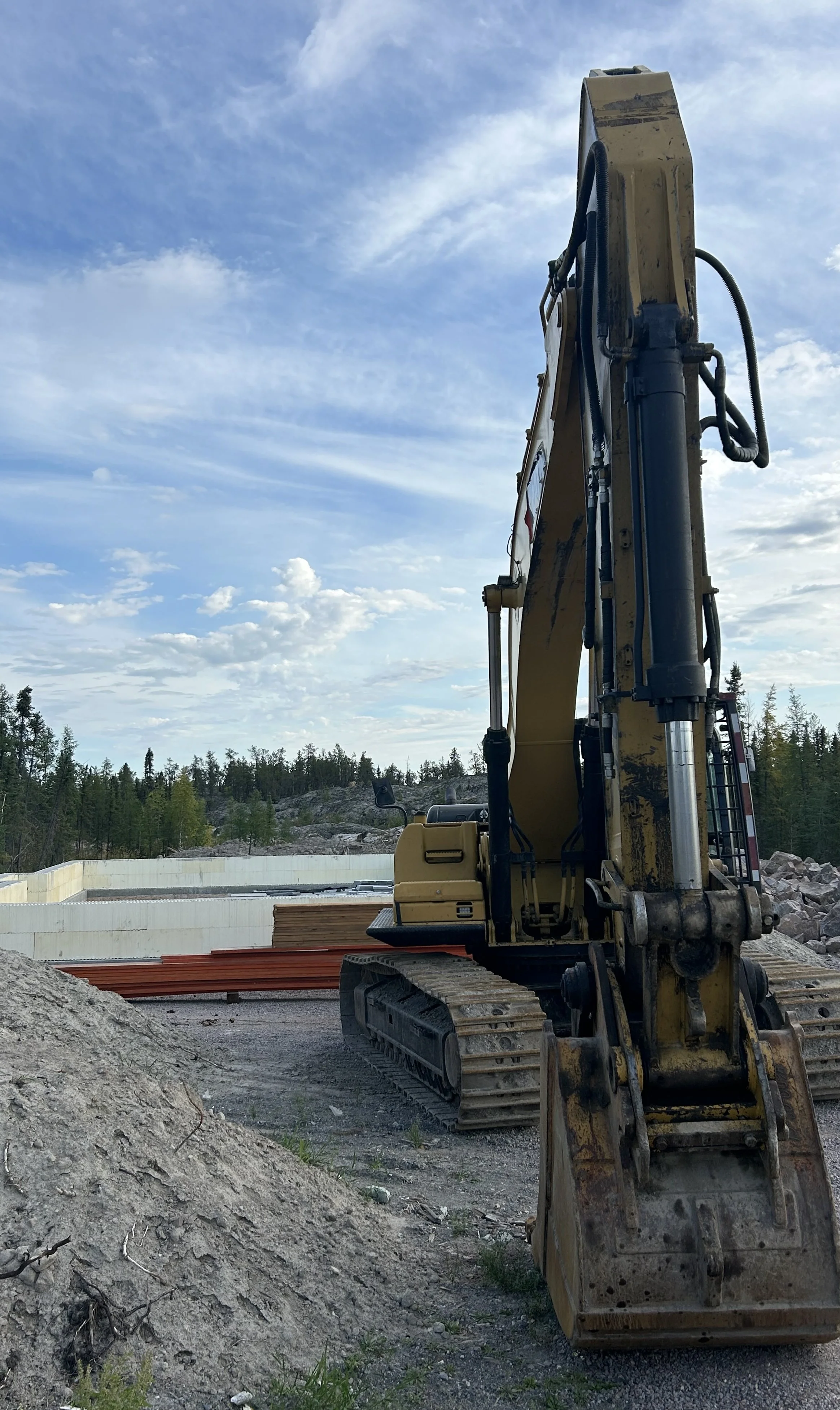
Yellowknife is likely to grow rapidly over the coming decade, and that requires a change in how we approach land development.
Years ago, the City’s Smart Growth Committee supported a balanced approach between new “greenfield” neighbourhoods and “infill” development within existing neighbourhoods. But since about 2019, despite very strong demand for housing, the City has moved away from Smart Growth and largely stopped expansion. The reasons are unclear, but the consequences are not.
More people are competing for a limited supply of housing, driving up costs and contributing to more fly-in, fly-out staffing.
Residents are repeatedly required to defend nearby parks and green spaces from development.
Few City responsibilities are more important than bringing vacant land to market so builders and affordable housing providers can create more homes. With the growth pressures coming from federal investment in NORAD infrastructure, it is time to return to Smart Growth.
The draft Community Plan now before Council shows signs of improvement, but it does not go far enough, especially in the short and medium term. The City’s planning department has struggled to keep positions filled, so its limited resources should be focused where they can make the greatest difference: opening up substantial new areas for housing.
Areas such as Frame Lake North show promise, but the wording of the Community Plan suggests the City remains conflicted about expansion. Clear direction and oversight from Council will be needed to ensure we do not slide back into the anti-growth approach of the past decade.
Addressing Public Disorder
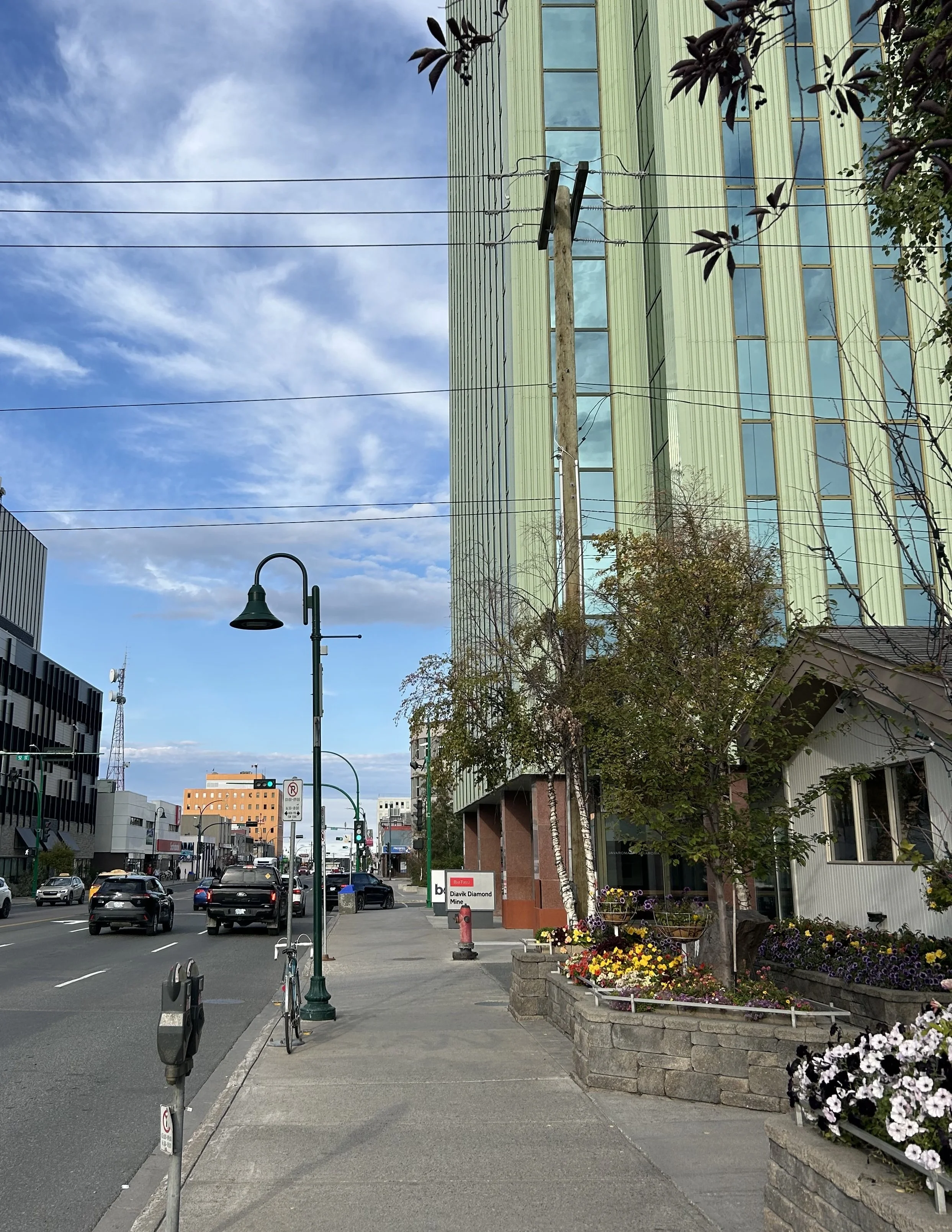
About fifteen years ago, attitudes at City Hall and the Legislative Assembly began to shift on how to deal with public disorder. There was growing concern that RCMP enforcement of public intoxication laws could contribute to the criminalization of homelessness. But as that approach changed, no effective replacement emerged to address the resulting challenges in public spaces.
Today, residents, business owners and visitors are increasingly concerned about conditions in some public areas. Aggressive and inappropriate behaviour, theft and property damage have become more common. With limited visible progress, many residents and businesses have chosen to avoid affected areas, including parts of our downtown.
But things may be starting to change. Territorial leaders have recognized that additional tools are needed to encourage respectful behaviour in shared spaces. A new Trespass Act will soon be implemented, and a Safer Communities and Neighbourhoods Act is under development. The City also has a role to play.
Municipal Enforcement Officers need appropriate legal authority and training to be part of the solution. Whether that means giving them powers under the Liquor Act, adopting a Nuisance Bylaw, or both, additional tools should be considered. We need City Councillors who recognize the seriousness of the issue, are willing to discuss it openly, and will continue working toward practical solutions even when implementation is challenging.
The goal is not to criminalize homelessness or addiction, but to re-establish a reasonable expectation of respectful behaviour in the many public spaces in our city that we all share.
Let’s Build On Our Strengths
Controlling the growth of the City budget is something I have a lot of experience with. But while spending must be restrained, as we grow our tax base we also need to invest in the amenities that make Yellowknife a place people want to visit, move to and stay in.
When deciding where to invest, I believe we should start with the strengths our community already has. This approach is sometimes called Asset-Based Community Development. In simple terms, it means identifying the people, organizations, places and activities that are already working well, and looking for ways the City can help them achieve even more.
We cannot afford projects that require the City to do all of the work or that struggle against conditions we cannot realistically change. Instead, we should look for opportunities where a relatively modest City investment can build on existing community effort, attract funding from other organizations, and produce much larger benefits for residents.
That means understanding what Yellowknife’s strongest assets are, being honest about where our advantages lie, and focusing our limited resources where they can have the greatest impact.
For example, our nature trails and parks are tremendous assets that could become world class with relatively modest investment. Our artistic community is another major strength with enormous potential to make Yellowknife more vibrant and distinctive. In both cases, City funding could be combined with private, charitable and philanthropic investment rather than relying entirely on municipal taxpayers.
I have experience securing philanthropic funding for major capital projects, and I would like to apply that experience to this approach: build on what Yellowknife already does well, bring other partners to the table, and make strategic improvements that have a meaningful impact on residents’ daily lives.